
Search Result For

Showing: 1 - 10 of 19 Articles

After Trump’s National Address, Democratic Rebuttal, U.S. Government Enters Longest Ever Shutdown

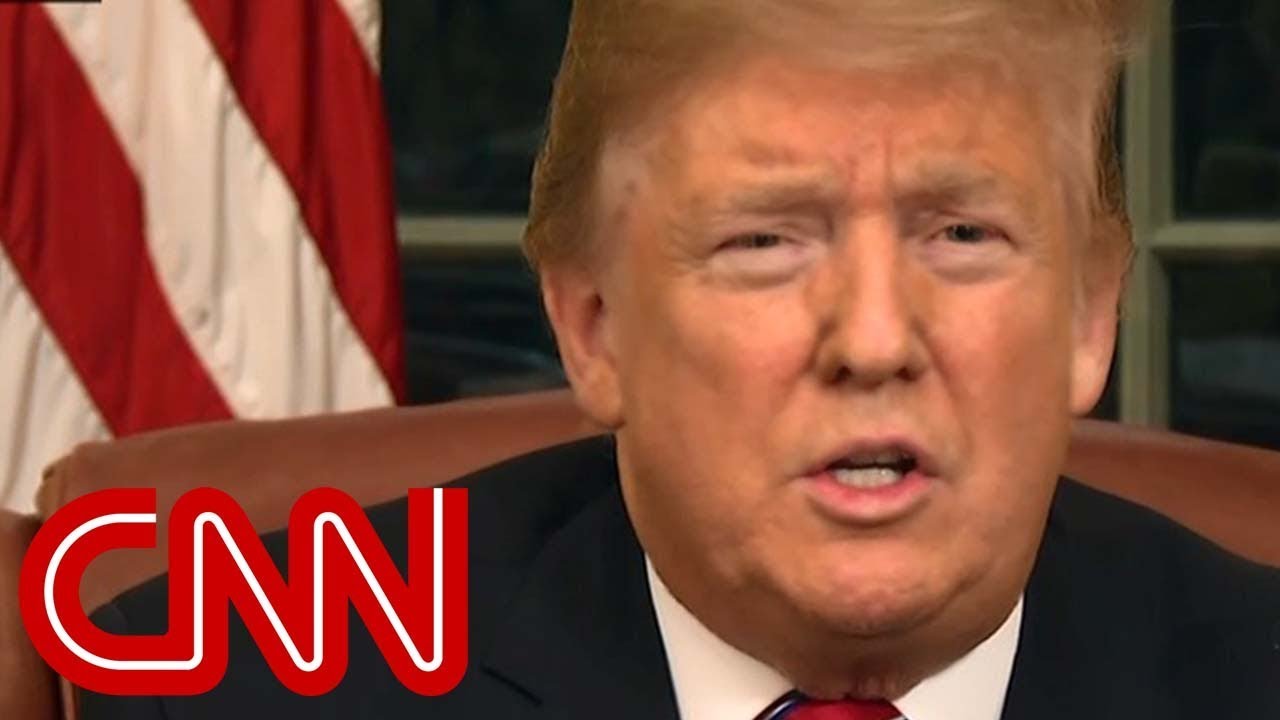
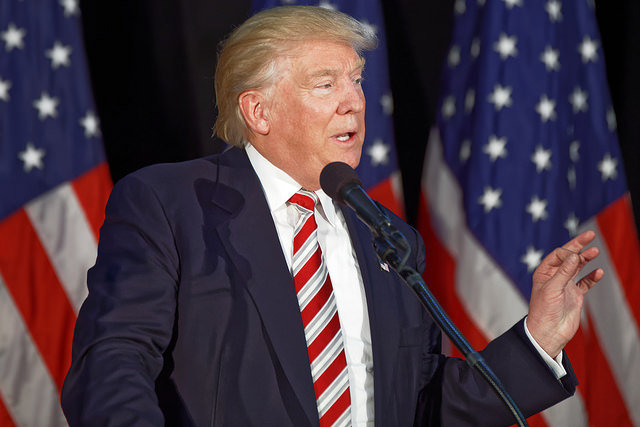
In his first address to the nation from the Resolute Desk in the Oval Office, President Donald Trump remarked on the “growing humanitarian and security crisis” at the southern border, which is just a smaller part of the contention between both parties and both houses of Congress on immigration reform. Although the address – followed by a Democratic rebuttal from Speaker of the House Nancy Pelosi (CA-12) and Senate Minority Leader Chuck Schumer (D-NY) – marked a few moments of semi-civility in a Washington filled with political volatility, the partial government shutdown continues into its record-setting length of 21 days tomorrow as a deal is yet to be had between Republicans and the new Democratic majority in the House of Representatives.

Federal funding ran out at midnight on Friday, December 21, closing nine departments within the U.S. government.

Last night, the president cited examples of recent violent acts committed by undocumented immigrants, including an instance last month when a Stanislaus County, California, police officer was and killed by a man who was in the country illegally. He attempted to bolster his argument through other negative effects stemming from the border crisis like the ongoing opioid epidemic.

“The cost of illegal drugs exceeds $500 billion a year. Vastly more than the $5.7 billion we have requested from Congress,” the president said. He also added that the border wall would “very quickly pay for itself.”

Reiterating a notion from the days of his presidential campaign, Trump again explained the “wall will always be paid for indirectly by the great new trade deal we have made with Mexico,” referring to the newly-cemented U.S.-Mexico-Canada Agreement (USMCA).

“Some have suggested a barrier is immoral,” President Trump continued in his address, but asked, “then why do wealthy politicians build walls, fences, and gates around their homes?”

“They don’t build walls because they hate the people on the outside, but because they love the people on the inside. The only thing that is immoral is for the politicians to do nothing and continue to allow more innocent people to be so horribly victimized,” he said.

In the opposition party’s rebuttal, Schumer and Pelosi said the president has “chosen fear” to govern what they call the “Trump shutdown,” adding that the rhetoric from the White House “has been full of misinformation and even malice.”

Speaker Pelosi then charged President Trump to “stop holding the American people hostage…stop manufacturing a crisis,” and to “re-open the government.”

On Wednesday afternoon, President Trump reportedly “slammed the table” and stormed out of a meeting with congressional leaders at the White House after Speaker Pelosi reiterated that the U.S.-Mexico border wall will not be funded in any legislation coming from the new majority party in the House. Following Senator Schumer’s comments during the rebuttal of the Oval Office address, he repeated that Trump has thrown another “temper tantrum” during the government shutdown.

Trump’s most ardent supporters and political allies were quick to come to his defense after the prime time address and this afternoon’s meeting, reprimanding Democrats and accusing them of failing to negotiate a deal for the American people. The president also aired out his response on Twitter shortly after the meeting went south.

“Just left a meeting with Chuck and Nancy, a total waste of time. I asked what is going to happen in 30 days if I quickly open things up, are you going to approve Border Security which includes a Wall or Steel Barrier? Nancy said, NO.” President Trump said.

“I said bye-bye, nothing else works!”

According to a report from Business Insider, both House Minority Whip Steve Scalise (LA-1) and Vice President Mike Pence rejected the claim that Trump acted erratic during the meeting with congressional leaders, adding that the president “came into the room and ‘passed out candy.’”

The commander in chief has shown little room to budge off of his request for $5.7 billion in funding for the proposed southern border wall. Senate Majority Leader Mitch McConnell (R-KY), ready to battle a Democratic lower chamber, said that the GOP majority will not deliberate anything the president will not sign.

Regardless of having a clear strategy towards re-opening the federal government, the president said the Trump Administration and Republicans are “totally unified” and are in “solidarity.”

During an exchange with reporters outside the White House, Speaker Pelosi accosted Trump for continuing the government shutdown, which has affected at least 800,000 federal workers who risk falling behind on paychecks. She said he was “out of touch” with those whom furloughs are affecting, although Trump has stated that government workers are “telling him” to “hold out” to “get the wall built.”

“He thinks maybe they could just ask their father for more money. But they can’t,” Pelosi added.

On the opening day of the 116th Congress, Democrats introduced a package of bills that would fund eight of the currently-closed federal departments through September 30, with the Department of Homeland Security funded through February 8, contingent on a few specific immigration reforms.

Last Friday, during a White House press conference in the Rose Garden, President Trump said to reporters that he told Democratic congressional leaders that he would keep the government partially closed for “months, or even years,” or “as long as it takes” to get the funding necessary to construct his campaign promise of a southern border wall to stave off illegal immigration.

As Trump is just hours away from breaking the record for the longest ever government shutdown – set by then-President Bill Clinton, from December 16, 1995, to January 6, 1996, at 21 days – he must begin to contend with waning support for the closure as more and more Americans feel the brunt of a closed federal government.

312,000 Jobs Created In December, Beating Wide Expectations In Slowing Economy

Blasting past economists’ expectations, the U.S. added 312,000 jobs in December 2018, an encouraging sign of performance in an economy that has been hit by rising interest rates, a three-month wave of chaos on Wall Street, slowing international growth, tariff battles with major trading partners, and a partial government shutdown coming up on its third week. The U.S. Labor Department also reported Friday that the unemployment rate rose slightly from 3.7 percent to 3.9 percent; however, it reflects a pro-growth increase in people entering a still-hot job market.

“With more than 5,000,000 jobs added since the 2016 election, the American economy surpassed 150,000,000 jobs for the first time ever,” Labor Secretary Alexander Acosta said in a press release from the department. He added that more people having confidence in the job market “is welcomed news as job creators look to fill seven million open jobs.”

In the report, upward revisions were also given to the October and November jobs reports, which now saw a total of 370,000 jobs added to the economy.

Significant job gains in December were seen across all industries, with the construction, retail, manufacturing, education, healthcare, food services, and leisure and hospitality sectors leading the way.

Healthcare and education services added 82,000 jobs in December, the biggest jump since February 2012. Restaurants saw a gain of 40,700 jobs, construction added 38,000, manufacturing increased by 32,000, and retail was up by 23,800 on the nationwide payrolls.

Average hourly pay ticked up 3.2 percent from December 2017, with last month being the third straight wherein year-over-year wage gains exceeded three percent. Prior to October 2018, the last time average hourly wage gains exceeded that figure was April 2009, according to the Labor Department.

Overall, 2.6 million new jobs have been created in the past 12 months, and of those months, eight saw the unemployment rate under four percent, with record jobless lows in 2018 for African-Americans, Asian-Americans, Hispanic-Americans, and those without a high school degree.

Recently, economists believed the U.S. was edging near “full employment,” but the numbers show that prospective workers still have confidence in employers hiring in a tightening job market. Although December’s numbers were almost 50 percent above the 2018 monthly job creation average of 217,000, economists estimate that hiring will slow in 2019. With America beginning to enjoy its 10th year of economic expansion, the past few months have shown the effects of slowing growth caused by waning returns from the 2017 Republican-led federal tax overhaul teamed with aggressive interest rate hikes from the U.S. central bank.

Stocks tumbled during the holidays, leading to the worst Christmas Eve ever on Wall Street, met with rising concerns over slowing economic growth that has caused major industry firms to fall past correction territory, and the S&P 500 index on pace for its biggest percentage fall since the Great Depression. However, Wall Street responded well to the December jobs report, with the Dow Jones Industrial Average up over 700 points midway through the Friday trading session after the index also suffered its worst December decline since 1931.

President Donald Trump, who has enthusiastic about the “GREAT” jobs report on Twitter, may not see similar figures in January if the partial government shutdown – affecting approximately 800,000 federal employees and 25 percent of the federal government – lingers on, spurred by a stalemate between the White House and a new Democratic majority in the House of Representatives over funding for the U.S.-Mexico border wall.

In a report from AP, Chairman Kevin Hassett of the White House Council of Economic Advisers, said that next month’s report from the Labor Department “could be weak” if the shutdown continues. He explained that the hundreds of thousands of government workers “who could say they’re not working, which would lower the job totals….even though those workers would be paid back wages once the government fully re-opened.”

“So when we see the January jobs number,” Hassett said, “it could be a big negative.”

Other economic concerns for this year may involve Federal Reserve Chairman Jerome Powell, who has come into the president’s cross hairs over the past few months after four quarter-point interest rate hikes in 2018. The market will have to weigh whether the strong job growth in December encourages the Fed to raise rates aggressively in 2019. Regardless, a downshift in economic growth worldwide could slow the process of the central bank working to clear its balance sheet.

Tariffs, of course, play a big role in the equation with slowing worldwide growth as major U.S. trading partners are hit with retaliatory duties amid Trump’s effort to renegotiate trade deals in carrying out an “America First” agenda. In late 2018, the Trump Administration scored a win with the rollout and implementation of the replacement to the 24-year-old North American Free Trade Agreement (NAFTA), the U.S.-Mexico-Canada Agreement (USMCA), which will govern nearly $1.2 trillion in trade as the “biggest trade deal” in U.S. history, per the president’s remarks.

As President Trump looks to tackle China next, his continuous admonishment of Beijing’s predatory trade practices and misdealings surrounding intellectual property has led to some staggering economic affects in the U.S. from one of the nation’s biggest trading partners.

Tech giant Apple, who has a major telecommunications market share in the Eastern Hemisphere, has lost $452 billion in market value over the last three months, since its peak of about $1.138 trillion on October 3. The company’s stock crashed almost 10 percent Thursday following sales becoming “jeopardized” by the trade war between the U.S. and China and changing consumer demands as Chinese customers pass up high-dollar American-made products like iPhones and vehicles from Detroit-based Ford Motor Company, among similar situations with other manufacturers.

The Atlanta Federal Reserve’s GDP Now economic forecasting model places real GDP growth in the fourth quarter (Q4) of 2018 at a seasonally-adjusted annual rate of 2.6 percent, down from 2.7 percent projected on December 21. Consumer spending and private fixed investment growth is also likely to decrease this month before an annual economic report deciphering 2018 is released at the end of January.

Even with more than 5,000,000 jobs added to the U.S. economy since he won the 2016 General Election, President Trump, who has continuously called much of the record-breaking economic figures his own, may have to deal with slower growth in 2019 as economists and business leaders suggest an upcoming recession in 2020.

President Trump Threatens To Close Southern Border Amid Wall Funding Chaos

President Donald Trump doubled down on his criticism of the U.S. immigration system on Friday during the seventh day of the partial government shutdown that is affecting over 800,000 federal employees. The commander in chief’s demand for $5 billion for a wall on the U.S.-Mexico border may be sitting in a bill passed by the Republican-led House last week, but Congress is not set to deliberate on a funding package until the beginning of next year.

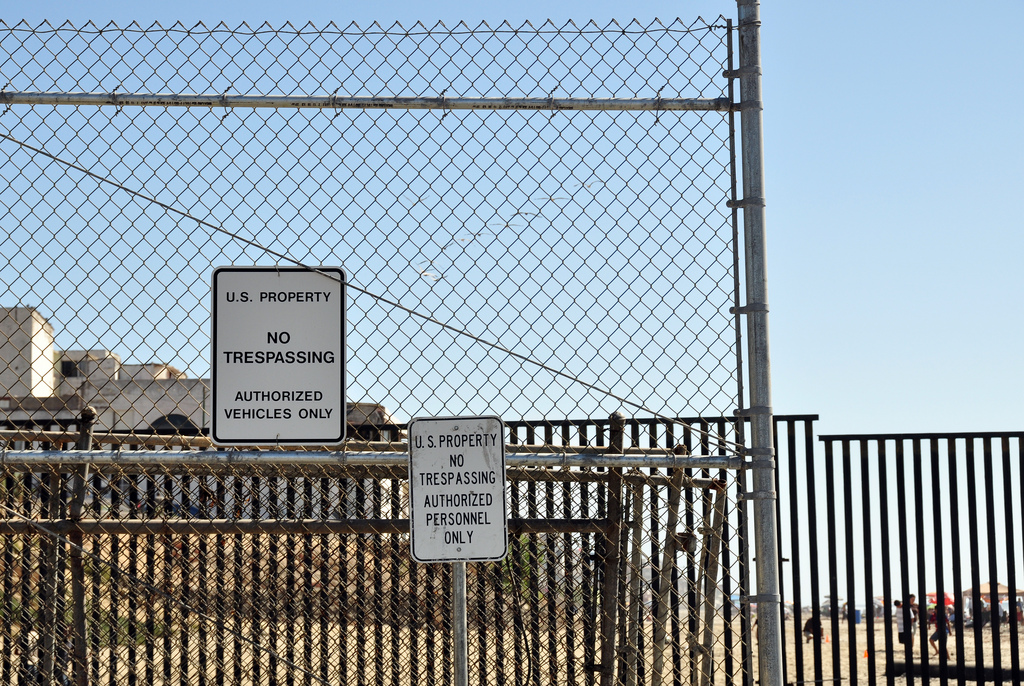
As the stalemate in Washington between the White House and lawmakers continues, Trump said that he is looking at not just leaving the government shutdown in place, but may also close the entire southern border.

“We will be forced to close the Southern Border entirely if the Obstructionist Democrats do not give us the money to finish the Wall & also change the ridiculous immigration laws that our Country is saddled with,” President Trump said on Twitter.

Although trade on the North American continent is now governed by the newly-implemented U.S.-Mexico-Canada Agreement (USMCA) signed into law by President Trump and his Canadian and Mexican counterparts, he went back on social media to criticize former U.S. trade relations with Mexico. He said that the failure of the recently-replaced North American Free Trade Agreement (NAFTA) lead to the U.S. losing “75 billion” a year in trade deficits. He added that he would consider closing the border, which, to him, looks like a “profit making operation.”

“Bring our car industry back into the United States where it belongs. Go back to pre-NAFTA, before so many of our companies and jobs were so foolishly sent to Mexico. Either we build (finish) the Wall or we close the Border,” Trump added.

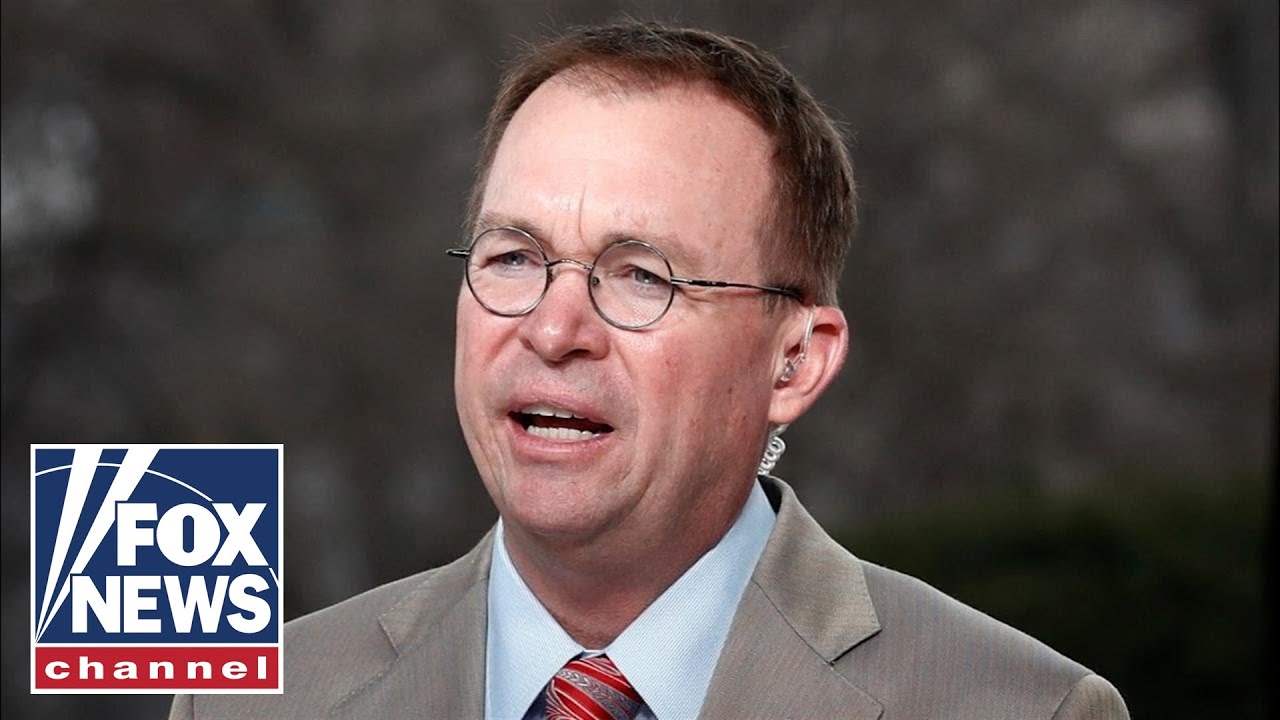
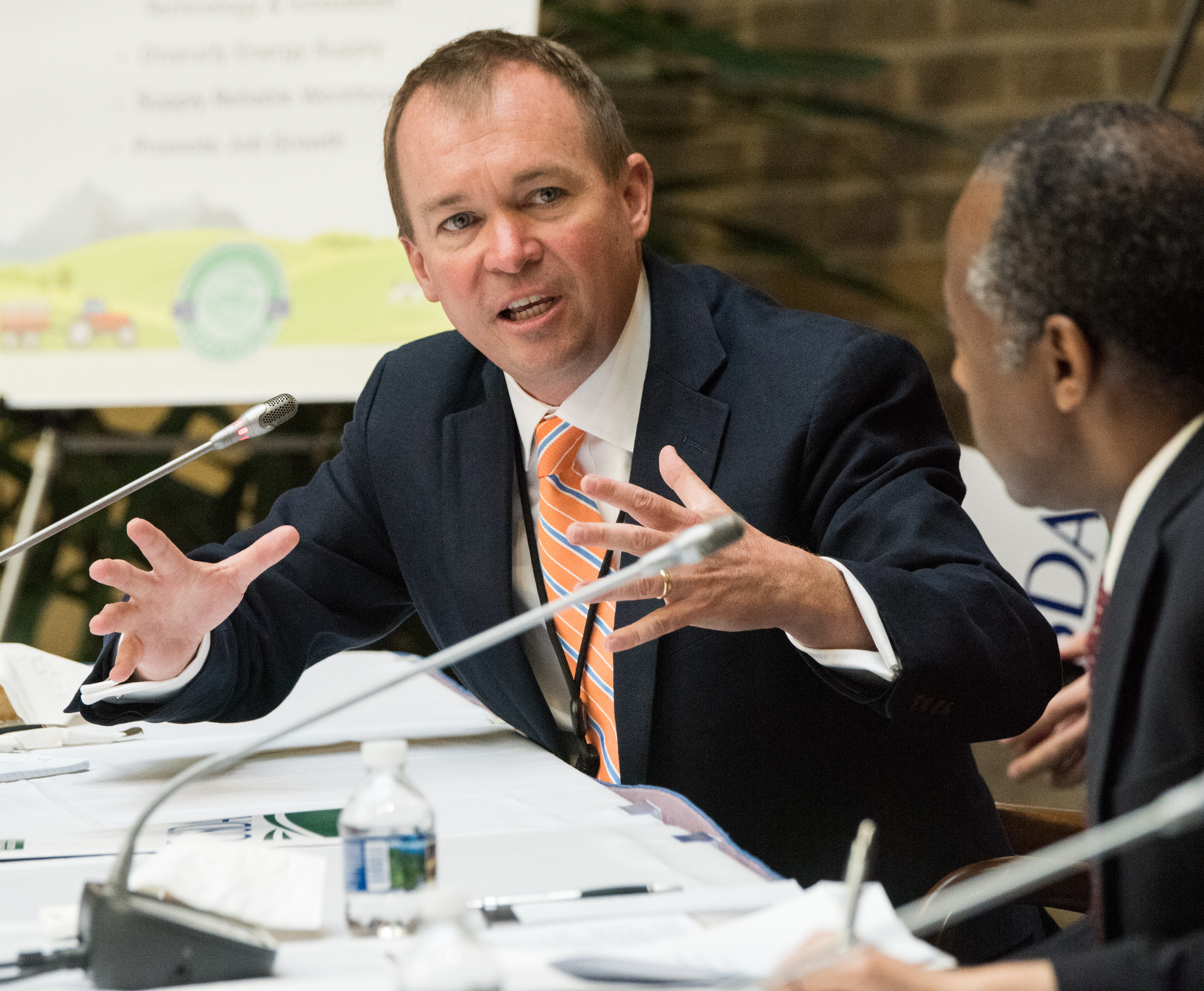
Director of the Office of Management and Budget (OMB) and acting White House Chief of Staff Mick Mulvaney appeared on the “Fox and Friends” morning show Friday and was asked if President Trump is serious about potentially closing the border to stave off illegal immigration.

“Yes, I think he is,” Mulvaney replied.

“[Senate Minority Leader] Chuck Schumer voted for border security in 2006, he voted for it again…in 2011. It seems like Democrats really like border security when there’s a Democrat in office and don’t like it when Donald Trump is in office,” he explained.

The chief of staff said that during a meeting last week with the the president, Senate minority leader, Vice President Mike Pence, and others, a deal may have been had after some ground was gained over funding discrepancies. However, “the more we’re hearing,” Mulvaney added, “[House Minority Leader] Nancy Pelosi is preventing that from happening.

Amid news that a new migrant caravan is forming in Honduras following two previous instances in 2018, President Trump has also threatened to cut foreign aid to Honduras, Guatemala, and El Salvador, accusing the Central American countries on Twitter of “doing nothing for the United States but taking our money.”

Reducing foreign aid to the countries would require congressional approval through the appropriations process. Though, with Democrats regaining the majority in the House on January 3, that is highly unlikely to happen.