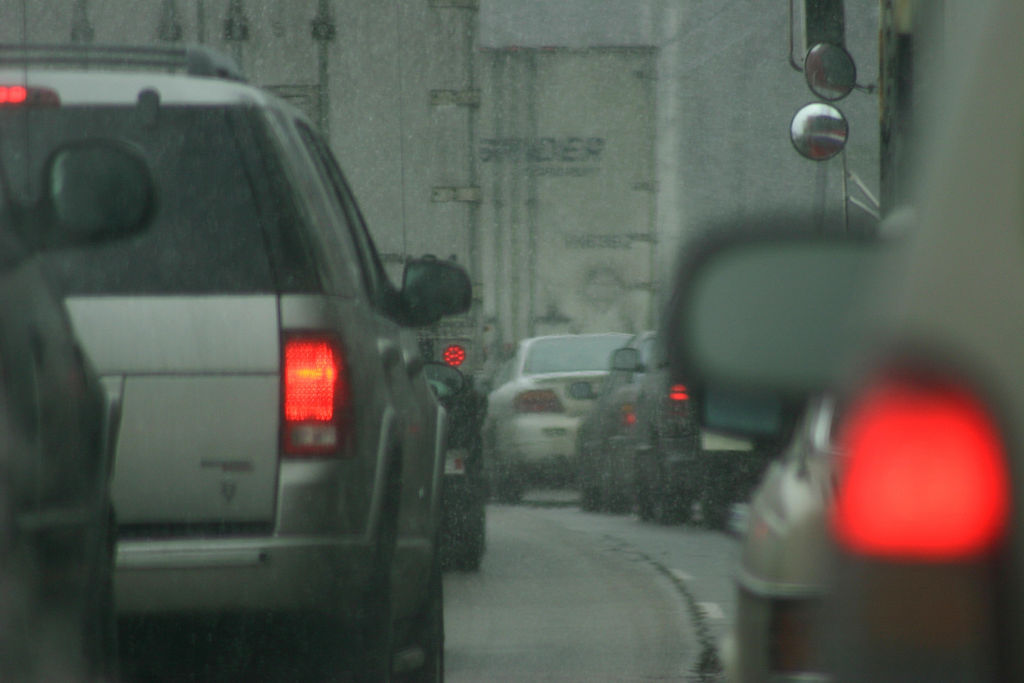
Regardless, as always, financing is set to become the main problem to improve traffic congestion on Interstate 95.

Virginia's Public Square
Virginia's Public Square

Regardless, as always, financing is set to become the main problem to improve traffic congestion on Interstate 95.

Where Virginia Governor Ralph Northam goes, protesters shall follow.
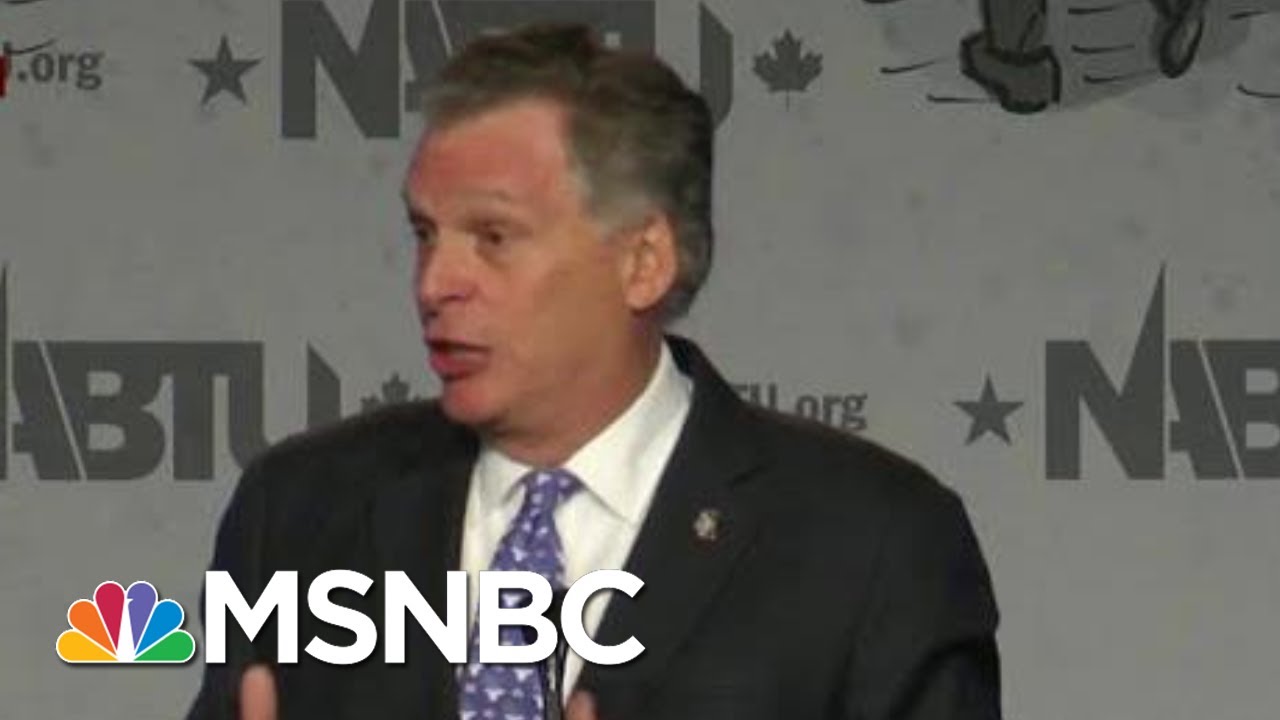
Former Virginia Governor Terry McAuliffe (D) teased his intentions about jumping into the crowded 2020 Democratic presidential primary by using Twitter to go after President Donald Trump.
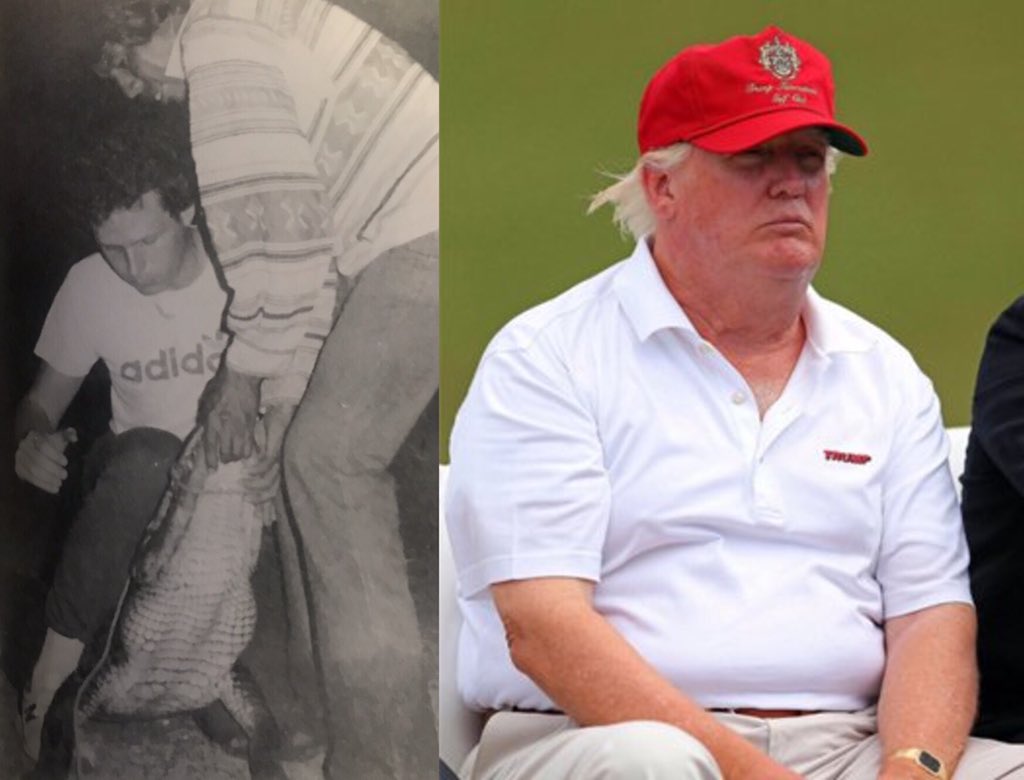
In a series of strange tweets, McAuliffe posted a meme of a crab on top of an alligator, which is supposed to represent Trump, for some reason. This would also imply that the crab represents McAuliffe, which is also interesting.

On Wednesday, McAuliffe, a man who will do anything for money, also told attendees at the North America’s Building Trades Union (NABTU) conference an amusing story about his alligator wrestling skills and how that would play into his 2020 bid for the White House.
“[Out] of all the candidates running, how many have actually wrestled a 280-pound, eight-foot alligator for a political contribution for $15,000?” he said. “If I can wrestle an alligator, I can sure as hell wrestle Donald Trump, boy, and that would be worth it. And you’d pay money to watch that debate.”
McAuliffe also posted a picture of himself on Twitter from 1980 in which he wrestled an alligator in exchange for a contribution to President Jimmy Carter’s campaign, which is juxtaposed with a picture of Trump.
McAuliffe’s comments about wrestling President Trump are not the first time he has spoken in an aggressive fashion about the commander in chief.
In January of last year, McAuliffe fantasized with fellow liberal Chris Matthews during an interview on MSNBC’s “Hardball” when Matthews asked the outgoing governor about what he would do if President Trump ever “got in his space.”
McAuliffe replied, “You would have to pick him up off the floor,” adding, “That would be the last time Donald Trump ever did that.”
Recently, McAuliffe told conservative radio host John Fredericks that he is “very close” to making his decision on whether or not he will run for president. If his pre-campaign teasers are any evidence of what he will do in the next 19 months, McAuliffe is set to campaign weird, quickly.
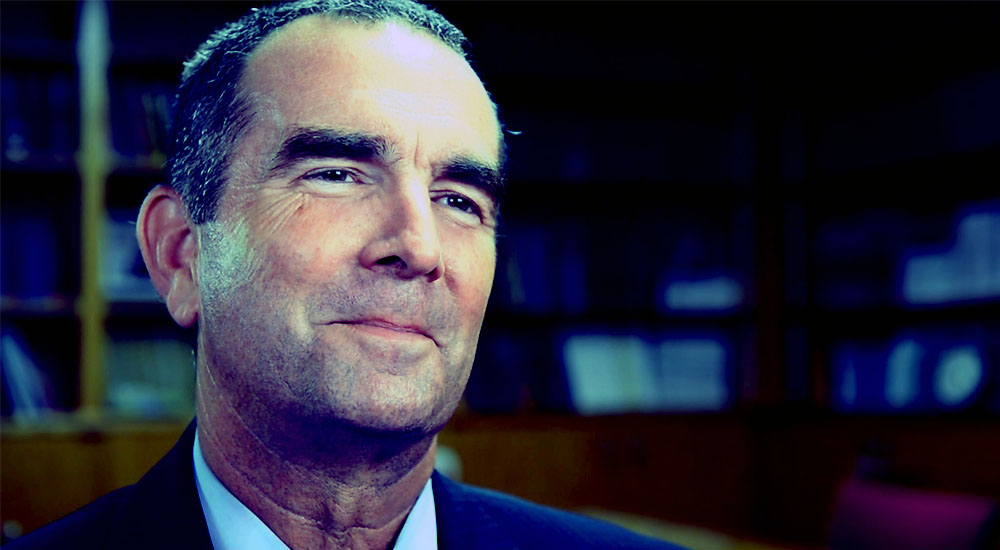
After calling for Governor Ralph Northam’s resignation following the release of a racist photo just two months ago, Fairfax’s Democratic State Senator Dave Marsden is now featuring him as the headliner of his fundraiser.
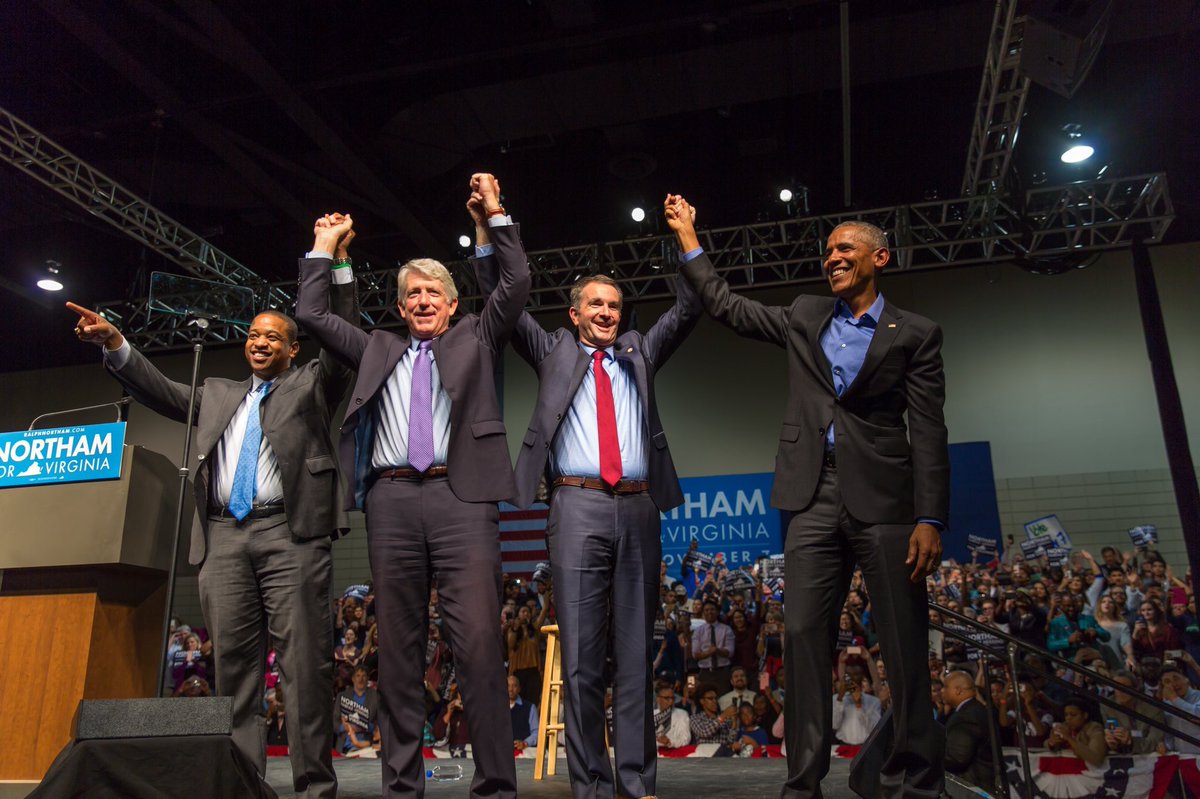
Two months after the beginning of his racial scandal, Governor Ralph Northam has an approval rating of just 40 percent.
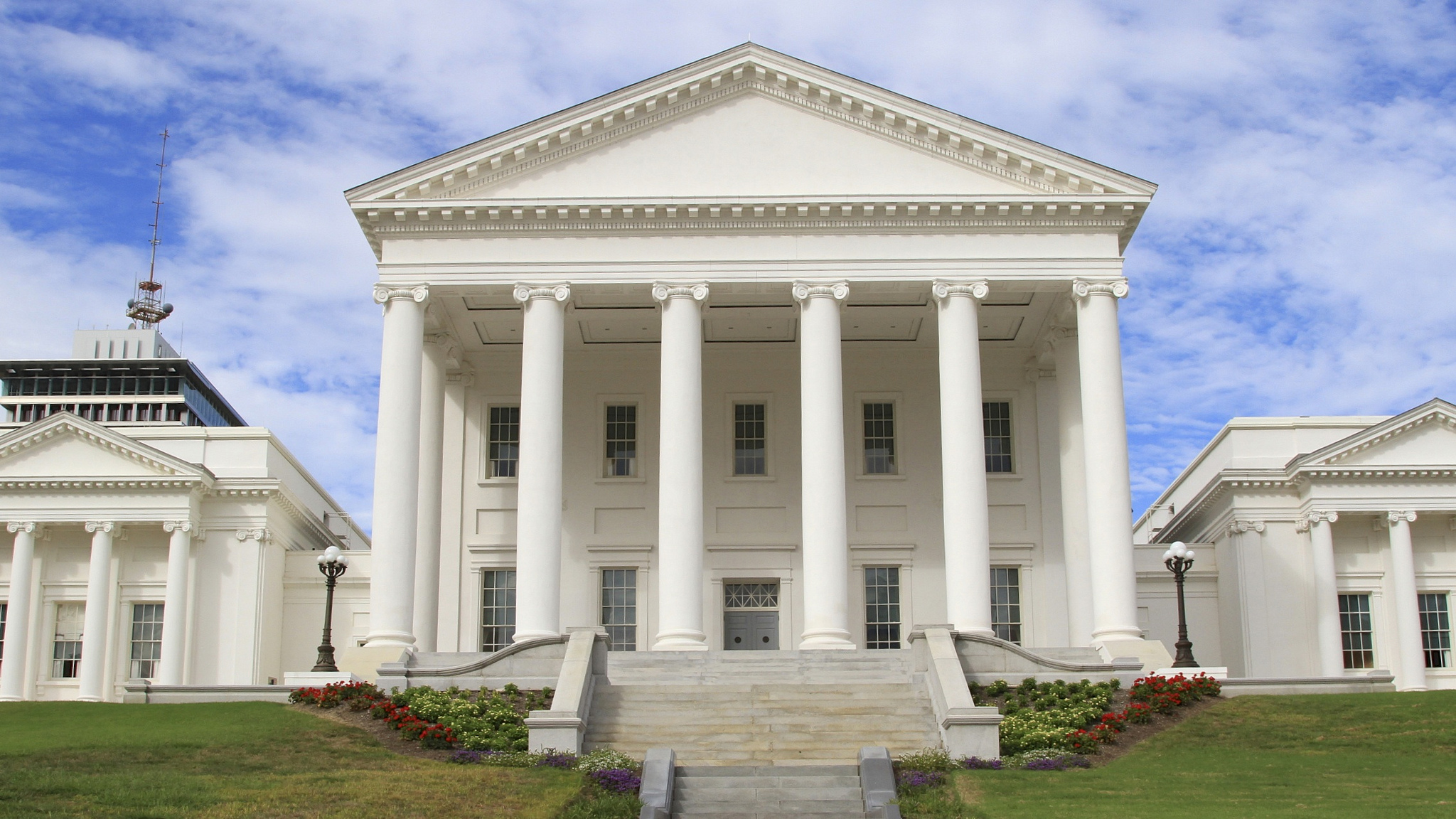
Trying to reignite the push to pass the Equal Rights Amendment in the Virginia General Assembly, Fairfax’s Delegate Kaye Kory relies on extraordinarily incorrect facts and figures about women incarceration.
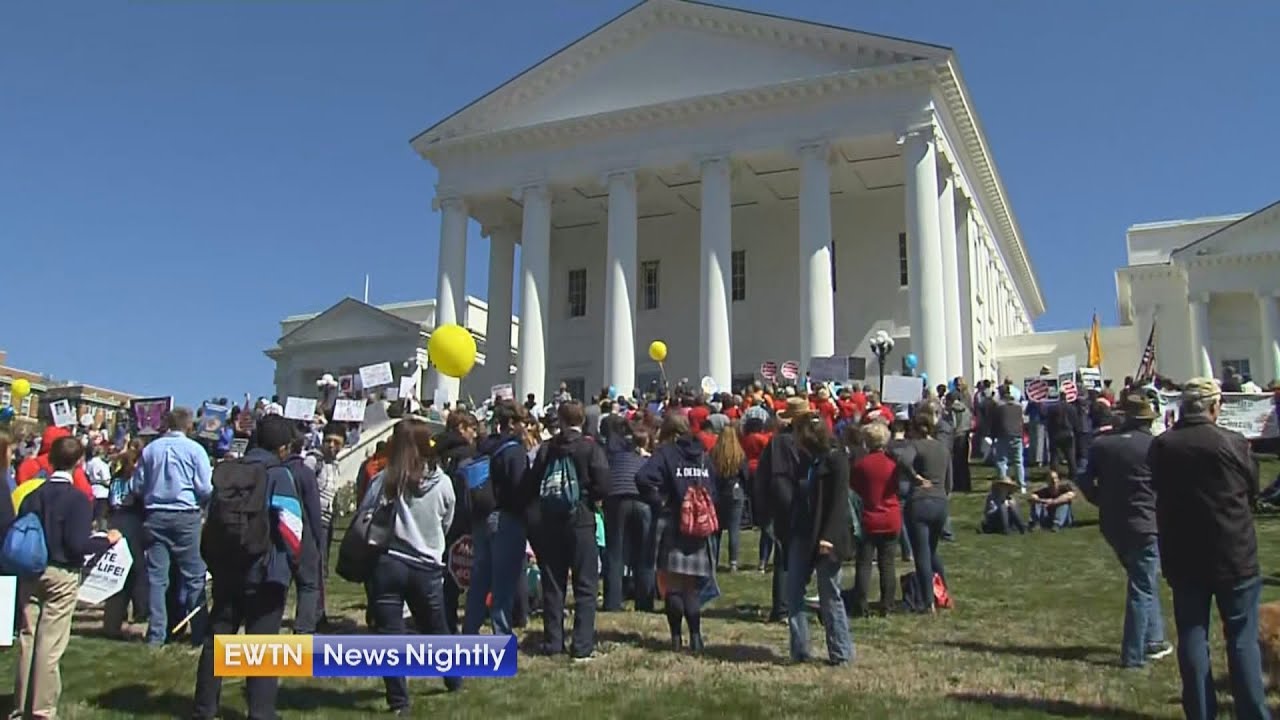
As legislators convened in Richmond for the General Assembly’s one-day session to consider the governor’s vetos on Wednesday, thousands marched on the Capitol against the failed Democrat-led legislation that would have repealed any meaningful restrictions on late-term abortions. Capitol Police estimated that 6,500 were in attendance to protest the bill carried by Delegate Kathy Tran (D-Fairfax) and Governor Ralph Northam’s (D) subsequent “infanticide” comments.
The “Virginia March for Life,” the largest pro-life demonstration at the statehouse in recent memory, was organized by a partnership between The Family Foundation, Virginia Catholic Conference, the Virginia Society for Human Life, and the national March for Life.
As thousands stood outside the statehouse, a few dozen members of the House and Senate Republican caucuses made an appearance on the steps of the Capitol, with some giving a few, short remarks that were met with loud, complimentary roars from the crowd.
“There’s not a more important issue that I’ve deal with in my career in the legislature than life,” said House Speaker Kirk Cox, (R-Colonial Heights), who was welcomed with chants of “Thank you!”
Earlier in the day, Democrats held their own pro-abortion rally which featured Catholics for Choice, NARAL Pro-Choice Virginia, women who have proudly had abortions, and other abortion advocates. The meeting dubbed “Speak Out for Abortion Access” had just an estimated 60 people in attendance, showing a stark contrast compared to the thousands who came out to reject doing away with all protections for the unborn, even situations wherein an child born after a failed abortion attempt could face death.
“We believe that all people should have the ability to make our own personal reproductive health care decisions,” said Senate Jennifer Boysko (D-Fairfax), according to a report from the Richmond Times-Dispatch. “I promise you that I will stand up and fight every day as a proud pro-choice state senator…and I will not stop until all of your voices are heard and all of us have reproductive freedom.”
The nationwide backlash started after the “Repeal Act,” introduced as H.B. 2491 by Delegate Kathy Tran (D-Springfield), was set to repeal restrictions on third trimester abortions, allow abortion doctors to self-certify the necessity of late-term procedures, eliminate informed consent requirements, repeal abortion clinic health and safety standards, permit late-term abortions to be performed in outpatient clinics, remove ultrasound requirements, and eliminate Virginia’s 24-hour waiting period.
During her presentation of the bill in a House subcommittee, Delegate Tran said abortions would be carried out “through the third trimester.” She added that “the third trimester goes all the way up to forty weeks.”
Delegate Tran also clarified that abortion procedures would be allowed up until the end of a woman’s pregnancy.
“I don’t think we have a limit in the bill,” she added.
In response to a question from House Majority Leader Gilbert (R-Shenandoah), the subcommittee’s chairman, Delegate Tran also suggested that partial-birth abortions would be subject to the bill’s repeal of existing restrictions on the procedure.
“Where it’s obvious that a woman is about to give birth, that she has physical signs that she is about to give birth, would that still be a point at which she could request an abortion if she was so certified?” Gilbert asked.
“She’s dilating,” he continued. “I’m asking if your bill allows that.”
“My bill would allow that, yes,” Tran affirmed.
Comments surrounding the bill became far more menacing in the days following when Governor Northam, during an address on WTOP’s “Ask The Governor” segment, said the response to Tran’s bill was “blown out of proportion.”
Explaining a potential situation the bill would influence, he said the following:
“If a mother is in labor, I can tell you exactly what would happen. The infant would be delivered. The infant would be kept comfortable. The infant would be resuscitated if that’s what the mother and the family desired, and then a discussion would ensue between the physicians and the mother.”
In the two months since the bill was presented, pro-life advocates across the nation have become outraged, and multiple marches and rallies have set their sights on Virginia. In his “State of the Union” address, President Donald Trump even slammed Northam’s comments, reiterating that he would work to ensure protections for the unborn.
“To defend the dignity of every person,” President Trump charged lawmakers, “I am asking Congress to pass legislation to prohibit the late-term abortion of children who can feel pain in the mother’s womb.”
Although the “infanticide bill” was not expected to pass during this year’s session, it represents a progressive policy vision embraced by the leaders of Virginia’s Democratic Party, including Governor Northam, Lieutenant Governor Justin Fairfax (D), and Attorney General Mark Herring (D). Democrats have also reiterated that the aforementioned bill would become a priority if they regain majority in the General Assembly – just over seven months away from the 2019 statewide elections.
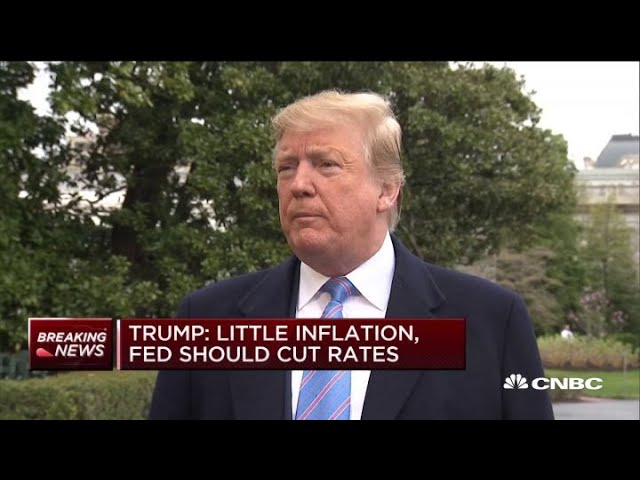
The Bureau of Labor Statistics (BLS) recently reported that the total non-farm payroll increased by 196,000 jobs in March, with the months of January and February revised up by a combined 14,000, leading to the average monthly job gain over the course of 2019 sitting at 180,000 per month. The national unemployment rate also remained unchanged at 3.8 percent, after changing between 4.1 at the highest and 3.7 at lowest over the past 12 months.
Among the nation’s industries, the biggest changes in employment sectors in March were:
Healthcare: +49,000
Professional and Technical Services: +34,000
Food and Beverage Services: +27,000
Manufacturing: -6,000
Employment in other major industries, including mining, wholesale trade, retail trade, transportation and warehousing, information technology, financial services, and government showed little change over the month.
The report from the BLS shows that among the major worker groups, the unemployment rates were:
Adult Men: 3.6 percent
Adult Women: 3.3 percent
Teenagers: 12.8 percent
Caucasians: 3.4 percent
African-Americans: 6.7 percent
Asians: 3.1 percent
Hispanics: 4.7 percent
In March, the number of long-term unemployed, those who have remained jobless for 27 weeks or more, was essentially unchanged at 1.3 million and accounted for 21.1 percent of the unemployed.
The labor force participation rate, at 63 percent, was little changed over the month and has shown little movement over the past 12 months.
The employment-population ratio was 60.6 percent in March and has been either 60.6 percent or 60.7 percent since October 2018.
The average workweek for all employees on non-farm payrolls increased by 0.1 hour to 34.5 hours in March, offsetting a decline of 0.1 hour in February.
Average hourly earnings also benefited in March. Non-farm payrolls increased by four cents to $27.70, following a 10-cent gain in February. Over the course of the last 12 months, average hourly earnings in non-farm positions have increased by 3.2 percent.
The Atlanta Federal Reserve’s GDPNow economic forecasting model shows that U.S. gross domestic product growth for the remainder of the first financial quarter currently sits at 2.1 percent.
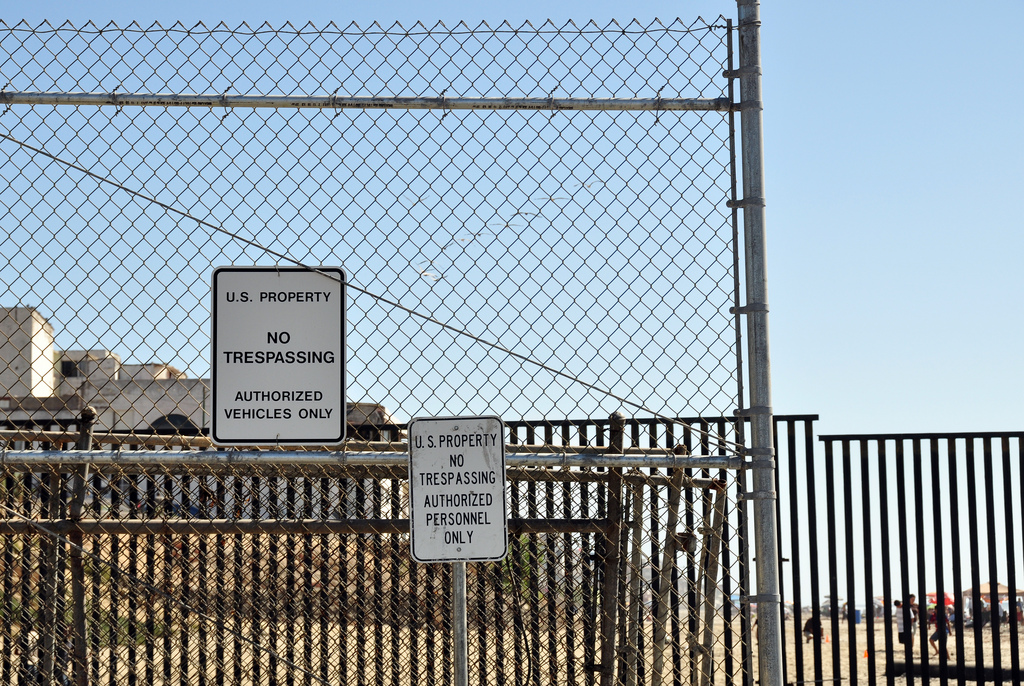
The Commerce Department states that around $502 billion in goods crossed the border through trucks and trains last year, which equates to approximately $1.4 billion per day in trade with Mexico.

A poll from the Wason Center for Public Policy at Christopher Newport University shows that 57 percent of Americans now believe the press publishes “fake news” to drive their political agenda.